

Your basket
0 items - £0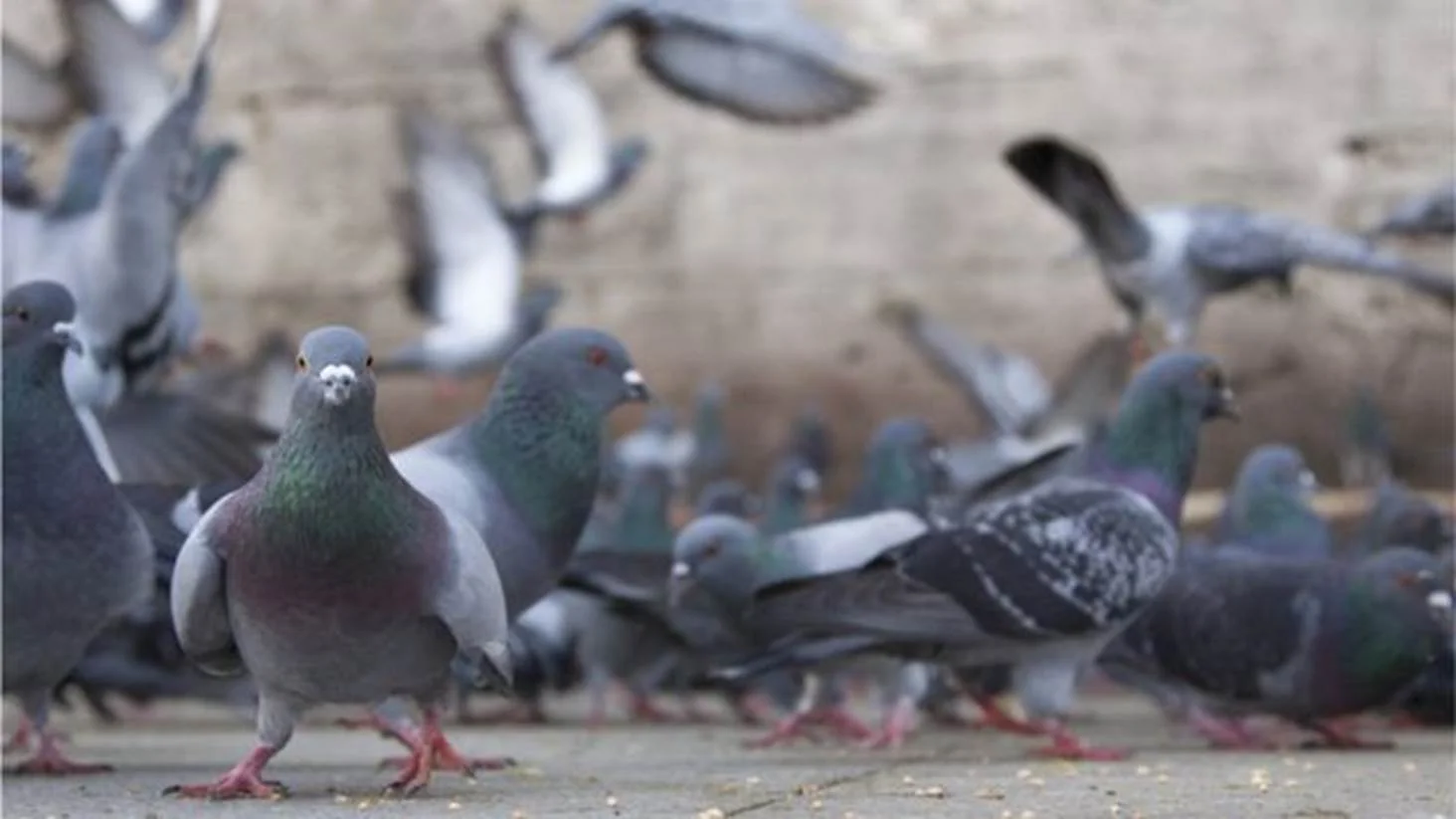
The amount spent on ridding streets of pigeons and gulls has almost doubled in the past three years, it has emerged.
About two-thirds of England’s councils responded to a BBC information request on bird control.
Their responses reveal the amount spent rose from £452,000 in 2013-2014 to £830,000 in 2015-2016.
The British Pest Control Association said the increase in spending might reflect a growing awareness of public health risks posed by some birds.
The figures come about two years after then Prime Minister David Cameron called for a “big conversation” about gulls in the wake of attacks on a dog and a tortoise in Cornwall.
Of the 103 authorities that specified the types of control methods used, 12 said they employed marksmen to shoot pigeons, 12 used hawks and 46 used spikes to discourage pigeons landing.
Scottish councils spent £950,000 over the past three years compared with £43,000 in Wales and £9,519 in Northern Ireland.
The biggest spender on bird control is the London Borough of Southwark, which has shelled out £393,000 since 2013.
Stoke-on-Trent City Council had the biggest spend outside of London, with £75,000 since 2013, followed by West Sussex County Council which spent £65,000 and Portsmouth, which spent £63,000.
Money spent by councils on bird control ranges from approaches such as pigeon-proofing buildings to clearing up pigeon guano and removing dead pigeons.
But some types of bird control – such as pigeon-proofing – simply move “problems on” to another building or area, said Dee Ward-Thompson, technical manager at the British Pest Control Association
A three-year rodent control project, backed by Prince Charles, has successfully resulted in the number of nesting Manx shearwaters to increase dramatically. The project, backed by Prince Charles, successfully killed off thousands of rats that eat the rare birds’ eggs and chicks.
Invasive rats species arrived by ship
The popular holiday destination of Scilly has been home to the Manx shearwaters for over 4,000 years. In the 13th century, the birds were once so plentiful that there’s evidence that they were used as a currency, and annual rents were paid to the Duchy of Cornwall with them.
However, by the 17th century, the island started to see a population of invasive brown rats arrive – probably via the numerous shipwrecks dotted around the coast of Scillies.
Because the Manx shearwater share the burrows of rabbits, it wasn’t long before the indigenous birds’ numbers dropped dramatically, due to the invasive rats feasting on their eggs and young. By 2014, there were only 24 nesting pairs of Manx shearwaters left on the Isles.
A huge investment in pest control and education
Backed by Prince Charles, a massive £750,000 was invested in a scheme to rid the isles of brown rats. The 84 islanders worked together to protect their rare wildlife.
- Farmers cleaned out their barns and sheds
- New sturdy refuse bins were supplied to every household on the Isle
- Islanders started taking rubbish to their tip just once a week
- School children on St Agnes were taught about rats and shearwaters
- 1,000 bait boxes were utilised over three weeks, killing over 3,000 rats
Jaclyn Pearson from the RSPB managed the project. She said:
“We are thrilled that these seabirds are thriving since the rat removal. All the hard work which everyone has put into the project has been well worth it when you know that a species has been returned to a habitat which is rightfully theirs”.
With the successful rodent control efforts on St Agnes and Gugh, plans are already underway to try similar schemes in the islands of Tresco, St Martin’s and Bryher, if the funding can be arranged.
Numbers looking good for rare birds
The number of Shearwaters has risen to 73 nesting pairs this year – the highest numbers in living memory.
30 shearwater chicks have been spotted, and another rare species of ground-nesting seabird seems to have returned to the island. Storm petrels, the smallest seabird in the world, have taken up residence in the cracks of a local pub.
These tiny seabird were particularly vulnerable to rats feasting on their eggs and young. The Isles of Scilly is just one of two places these rare birds are found in the UK, and they hadn’t been spotted in St Agnes and Gugh in living memory.
There are an estimated 280,000 Manx shearwaters left in the world, and the UK acts as a home for the large majority of them during the summer months. Every year, these birds make the annual 20,000-mile migration from South America to breed here, finding their way by star-gazing.

Enviroguard SolarGuard — Solar panels are being installed on commercial and residential roofs across the UK. These arrays provide perfect harbourage and nesting sites for ferral pigeons, bird guano can build up on roof surfaces causing gutter blockages and damage to the array from the acidic faeces. Enviroguard SolarGuard is a solution that does not involve piercing or damaging the solar panels with mechanical fixings or adhesives, hence avoiding warranty issues.
This innovative system is designed specifically to keep all birds from getting under solar arrays, protecting the roof, wiring, and equipment from damage.